Are Ladyboys Really Accepted in Thailand? One Thai Woman Explains the Reality


Are Ladyboys Really Accepted in Thailand? One Thai Woman Explains the Reality
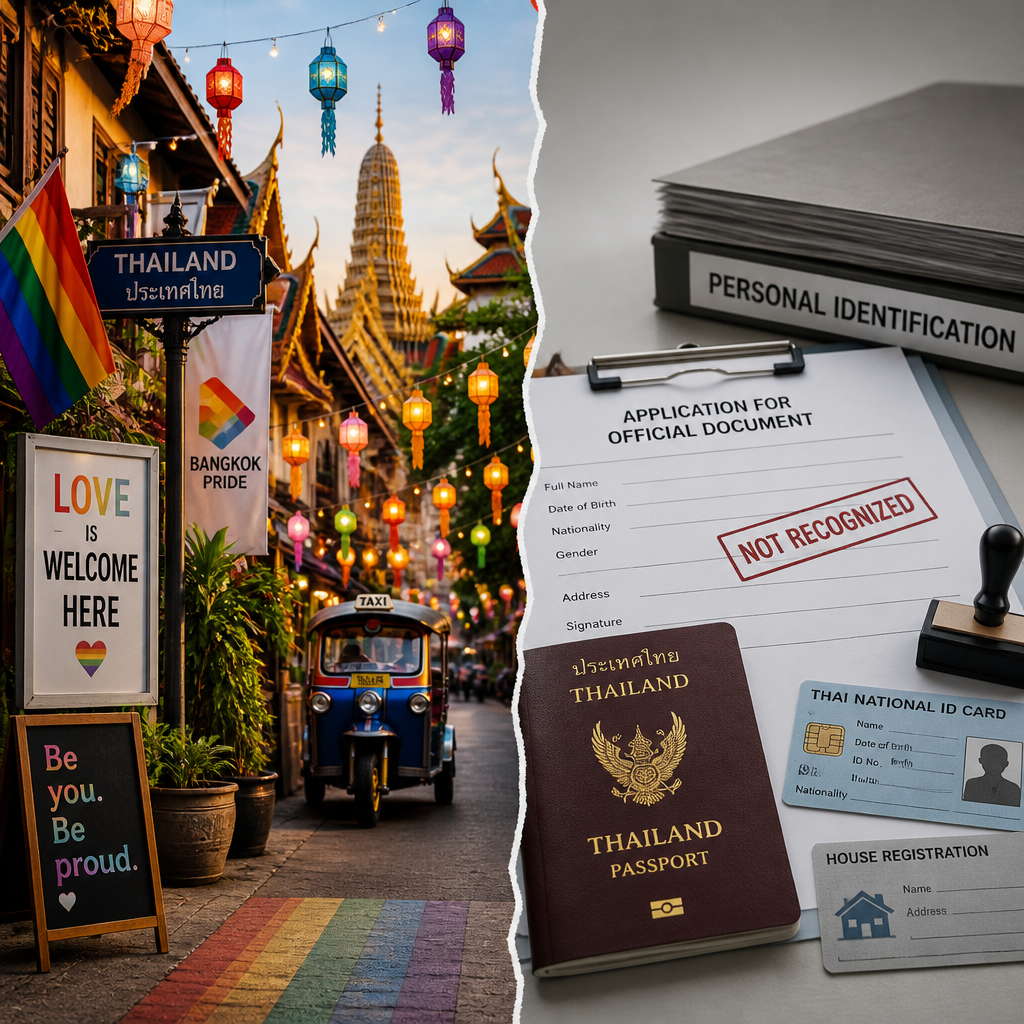
Thailand is often described as one of the world’s most accepting countries for transgender people.
Visitors regularly see transgender women working in shopping malls, restaurants, beauty salons, television, fashion, and nightlife. Their visibility has helped create an international reputation that Thailand is a paradise for LGBTQ+ acceptance.
But according to one Thai transgender woman we interviewed, that picture only tells part of the story.
While she believes Thai society is generally respectful, she says many transgender women still face barriers when applying for traditional jobs, advancing professionally, and being treated equally in the workplace.
“People may accept how we look, but that doesn’t always mean we’re given the same opportunities.”
Her interview reveals the difference between visibility and true equality.
Growing Up With Family Support
Unlike many transgender people around the world, she describes herself as fortunate.
She began expressing her feminine identity during her teenage years and says her family gradually became supportive.
Having that acceptance at home gave her confidence to transition and pursue the life she wanted.
She recognizes that not everyone in Thailand has the same experience and considers family acceptance one of the greatest advantages she has had.
Acceptance Doesn’t Always Mean Equality
One of the interview’s strongest themes is the difference between cultural acceptance and professional opportunity.
Thailand is famous for its transgender entertainers, beauty pageants, and media personalities.
However, she explained that many employers still hesitate to hire transgender applicants for office jobs and other traditional careers.
As a result, some transgender women feel their career options are more limited than many outsiders realize.
This disconnect creates a reality where someone may be accepted socially while still encountering discrimination professionally.
Financial Pressure Shapes Career Choices
The interview also discusses the financial realities many transgender women face.
Transition-related expenses—including hormone therapy, cosmetic procedures, and daily living costs—can become difficult to manage with entry-level salaries.
Because of these economic pressures, some choose nightlife work, where earnings may be significantly higher than conventional employment.
She emphasized that these decisions are often driven by financial necessity rather than personal preference.
Her comments challenge the stereotype that everyone enters nightlife because they want to.

Social Media Is Changing Public Perception
The conversation also explored how social media has transformed visibility for Thailand’s transgender community.
Platforms like YouTube, Instagram, TikTok, and Facebook have allowed transgender creators to tell their own stories rather than relying on television or traditional media.
She believes this has helped audiences around the world see transgender women as entrepreneurs, professionals, artists, travelers, and everyday people—not simply entertainers.
Greater visibility, she hopes, will eventually lead to greater opportunity.
Looking Toward the Future
Despite acknowledging discrimination, she remains optimistic.
She believes younger generations are becoming increasingly accepting and that Thailand continues moving toward greater inclusion.
She also hopes more academic research and public discussion will improve understanding of the transgender community.
Rather than focusing only on obstacles, she sees the future as one of gradual progress.
More Than a Tourist Attraction
For many travelers, Thailand’s transgender community is something fascinating to observe.
For the people living it every day, however, it’s simply life.
This interview reminds us that behind the stereotypes are individuals pursuing careers, supporting families, navigating discrimination, and working toward the same goals as everyone else.
Acceptance, she believes, isn’t just about visibility.
It’s about equal opportunity.
FAQ
Are ladyboys accepted in Thailand?
According to the interview, transgender women are generally accepted socially and are highly visible in Thai society. However, acceptance does not always translate into equal opportunities in employment.
Why do some transgender women work in nightlife?
The interview explains that financial pressures, including transition-related expenses and limited traditional job opportunities, can make nightlife one of the better-paying options.
Is the situation improving?
The interviewee believes social media, greater public awareness, and younger generations are helping improve acceptance and visibility for Thailand’s transgender community.

Comments